
01
Only two people can actually produce the result
The method lives in a spreadsheet, several applications, or one person's head. It is an asset the business depends on, but where it lives is a risk, and nobody feels safe changing it.
Business automation, carefully engineered
When an important process depends on spreadsheets, disconnected tools, repeated data entry, or one person's expertise, it becomes difficult to scale safely. The work is mapped first, then rebuilt using the right combination of dependable software, AI, and human judgment, each where it fits best.
Prefer an automation team inside the business? See the Technology Partner Program.
If the work still gets done, it is easy to keep adapting around the problem. The strain usually becomes visible when volume grows, an expert is unavailable, or one wrong value reaches the next system.
The method lives in a spreadsheet, several applications, or one person's head. It is an asset the business depends on, but where it lives is a risk, and nobody feels safe changing it.
An order arrives, then gets re-entered into a spreadsheet, accounting system, and report. Every copy is a chance to be wrong, and eventually two versions disagree.
The data exists, but assembling it takes half a day and two people may produce different answers. The report gets argued with instead of acted on.
A useful AI system needs real data, clear limits, and a person confirming consequential actions. Those boundaries make it useful beyond the demo.
Three ways forward
Choose the outcome before the technology: make expert work usable by more people, connect a fragmented workflow, or give AI a defined job it can perform safely.
01
Turn specialist calculations and methods into tested software without losing the logic that makes them valuable.
Common solutions
02
Capture information once, connect the tools already in use, and make the current state visible.
Common solutions
03
Build agents that interpret information, use approved tools, and stop for confirmation when an action matters.
Common solutions
If none fits neatly, Describe how the process works today and I will help identify the right starting point. You can also compare the services.
Two ways to work together
A defined project suits a single process that needs to become a dependable system. The Technology Partner Program suits a business that wants an automation team embedded in the work, not another vendor for every change.
A defined project
$10,000and up, fixed per project
Technology Partner Program
US$5,000per month, 3 months minimum
How the decision gets made
Most processes contain all three kinds of work at once. Sorting them is the first thing that happens, because putting a calculation behind a language model or asking a person to re-key data that never changes are both expensive mistakes, in opposite directions.
Dependable software
Work that should produce the same answer every time, and where being wrong is expensive. This belongs in conventional software because that is what makes it repeatable and testable.
AI assistance
Work that requires reading meaning out of language, documents, or context, where the input arrives in a shape no rule can anticipate. This is where AI earns its place.
Human involvement
Work where the decision carries a consequence, the situation is genuinely ambiguous, or a relationship is at stake. The system prepares the decision and a person makes it.
Some steps are worth leaving exactly as they are. A judgment call made a few times a month, an exception that needs someone who knows the customer, or a process still changing too quickly to be worth fixing in software. Deciding what to leave alone is part of the work, and saying so early is usually cheaper than discovering it during a build.
Selected work
These teams began with slow quoting, repeated data entry, or work hidden behind too many screens. Each project shows the starting problem, the system that replaced it, and the measurable difference once it was in use.
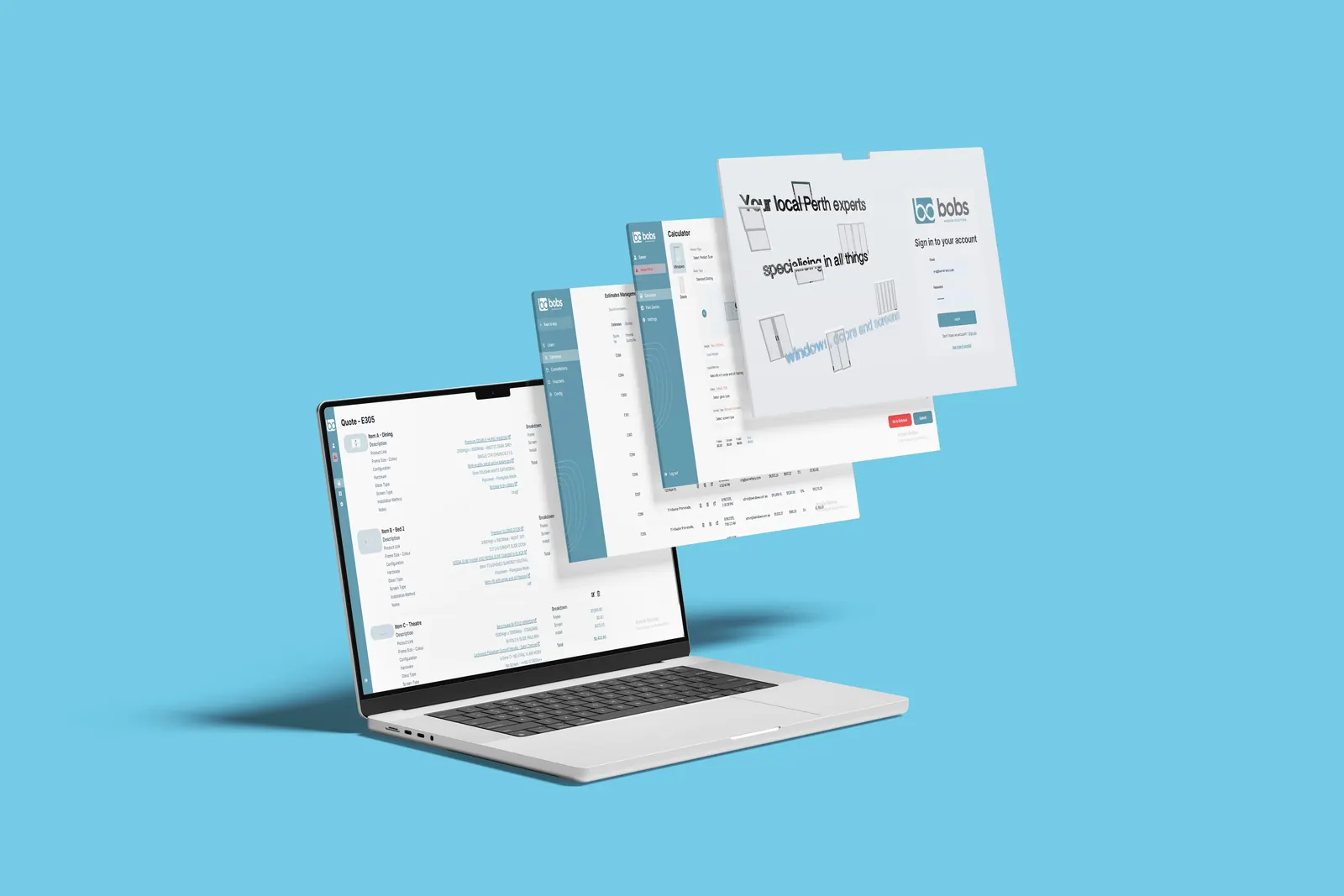
Custom windows and doors manufacturing · Australia
2 to 3 hours to ~10 minutes
Quote production time

Food and produce distribution · United States
95%+ reduction
Data-entry error rate
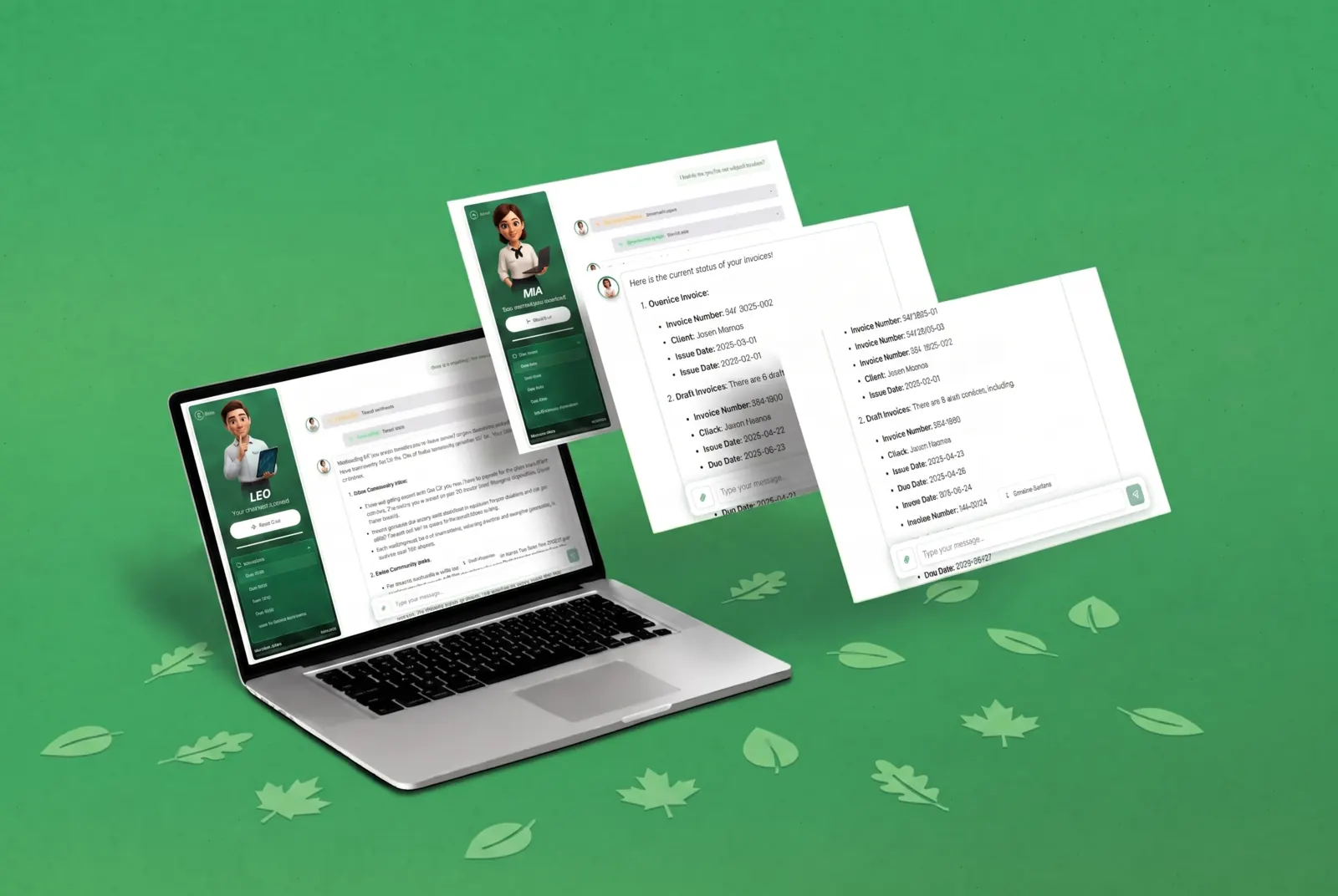
Business-management and financial software · Belgium
hours to seconds
Time to a sourced answer
What partners notice
The person building the system should understand how the work runs, notice what is missing, and explain the tradeoffs clearly. These excerpts from 500+ independently verified five-star reviews show what that feels like in practice.
“Samer was the only one who truly took a deep dive into the process we were hoping to automate. He studied the files and asked questions that showed he fully grasped every detail.”
“He often envisions a more elegant solution than yours. Your challenge is to understand what he's suggesting and why it's better.”
“That demanded different kind of skills in programming, math, design, creative thinking and problem solution. He excelled in all of them.”
Get clarity before committing to implementation, then review useful work at each phase. See the paid Process Audit & Solution Blueprint, full process, and typical costs on How I work.
Start with how the work runs today. Resolve the important unknowns before committing to a large build.
Review useful working parts early, while assumptions are still inexpensive to correct.
Receive tested software, documentation, handover, and 30 days of post-launch support.
The practical details that make it easier to decide whether this is the right path: cost, timing, ownership, and what happens next. If your question is not here, send it with your process description.
Ask a question